PERN stack developer case study — that’s exactly what this post is. When a B2B logistics startup reached out needing a full SaaS platform built from scratch, I architected and shipped it using PostgreSQL, Express, React, and Node.js. No existing codebase, no handoff from a previous team — just requirements, a deadline, and the trust that I could deliver.
This is the story of how I built that platform using the PERN stack — PostgreSQL, Express, React, and Node.js — and what I learned along the way that you can apply to your own projects or client work.
Whether you’re here for the PERN stack tutorial side of things or want to see a real PERN stack developer case study of client work, I’ll walk you through every meaningful decision I made on this project.
What Is the PERN Stack and Why It Made Sense for This Case Study
Before we get into the case study, a quick level-set. PERN stands for:
- PostgreSQL — relational database
- Express.js — Node.js web framework
- React — frontend UI library
- Node.js — JavaScript runtime for the backend
In this PERN stack developer case study, I chose PERN over MERN because a client’s data model has clear relationships, constraints, and reporting needs — which is almost always the case in B2B SaaS.
For this client, a mid-sized logistics company managing third-party vendors and freight orders, the data was inherently relational. Vendors had contracts. Contracts had line items. Line items connected to invoices. Invoices linked back to payments. PostgreSQL’s foreign key constraints and JOIN capabilities were a much better fit than a document database would have been.
“For B2B SaaS products where business logic is complex and data integrity is non-negotiable, the PERN stack provides the reliability and structure that MongoDB-based stacks often can’t guarantee out of the box.” — Usman Nadeem, Freelance Full-Stack Developer
The Client Brief: What They Actually Needed
The client came to me with a painful workflow. Their team was managing vendor onboarding, freight orders, and invoice reconciliation across three separate spreadsheets and two legacy tools that didn’t talk to each other.
Their ask was clear:
- A vendor management module — onboard vendors, track documents, manage contracts
- A freight order module — create, assign, and track freight orders in real time
- An invoice and billing module — auto-generate invoices from completed orders, track payments
- A role-based access control system — different views and permissions for admins, managers, and vendors
- A dashboard with KPIs and filters
This wasn’t a portfolio project. Real users, real money, real consequences if things broke.
System Architecture: How I Planned It Out
As with any PERN stack developer case study worth reading, I spent two days mapping the architecture before writing a single line of code. This is something I always do on client projects — rushing to the keyboard without a clear blueprint is how you end up rebuilding the same feature three times.
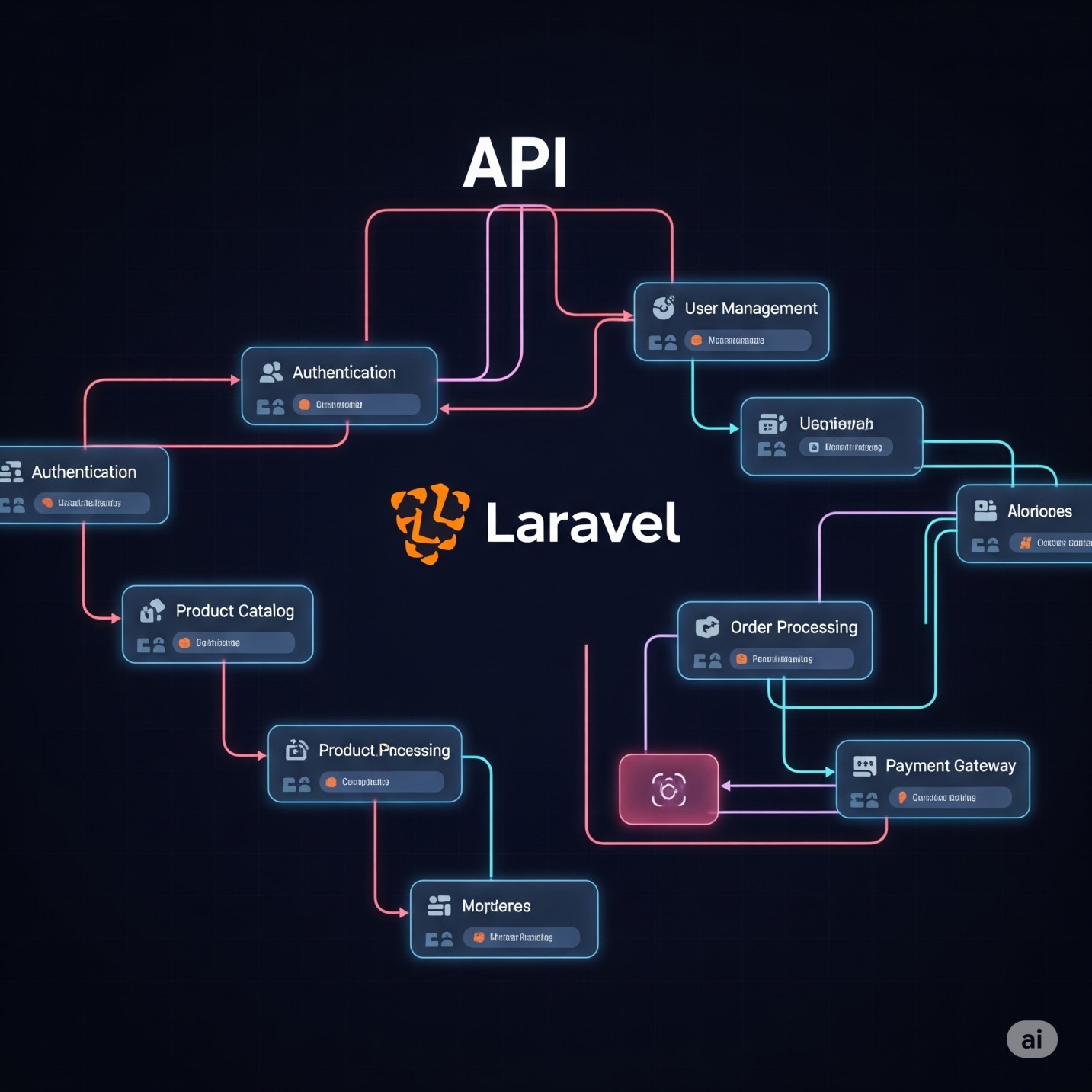
Backend Architecture
Client Request
     │
     ▼
Express Router (REST API)
     │
     ▼
Middleware Layer (Auth, Validation, Rate Limiting)
     │
     ▼
Controller Layer
     │
     ▼
Service Layer (Business Logic)
     │
     ▼
PostgreSQL (via node-postgres / pg)
I used a layered architecture pattern — routes, controllers, services, and the database layer are all cleanly separated. This matters in client work because it means any future developer (or the client’s in-house team) can understand and extend the codebase without needing to ask me what’s going on.
Frontend Architecture
For the React side, I went with:
- React 18 with functional components and hooks
- React Router v6 for client-side routing
- Zustand for global state management (lighter than Redux for this project’s needs)
- Axios for API communication
- Recharts for dashboard visualizations
- Tailwind CSS for styling
I deliberately avoided over-engineering the frontend. The client’s team would eventually need to maintain this, so clarity beat cleverness every time.
Database Design: Getting the Schema Right First
One of the most important lessons I’ve learned as a PERN stack developer — and a recurring theme in this case study — is this: fix the schema before you touch the API. Changing a database schema after you have live data is painful. Changing it before you have any users is free.
Here’s a simplified view of the core tables I designed:
| Table | Key Columns | Relationships |
|---|---|---|
users | id, email, role, created_at | Belongs to org |
vendors | id, name, status, contract_url | Has many orders |
freight_orders | id, vendor_id, status, origin, destination | Belongs to vendor |
invoices | id, order_id, amount, due_date, paid_at | Belongs to order |
payments | id, invoice_id, amount, paid_at | Belongs to invoice |
roles | id, name, permissions (JSONB) | Belongs to user |
I used PostgreSQL’s JSONB column type for storing permissions per role. This gave me the flexibility of a NoSQL-style permissions structure while keeping everything else strictly relational. It’s a pattern I use frequently when role definitions need to evolve without schema migrations.
Building the API: Key Decisions I Made
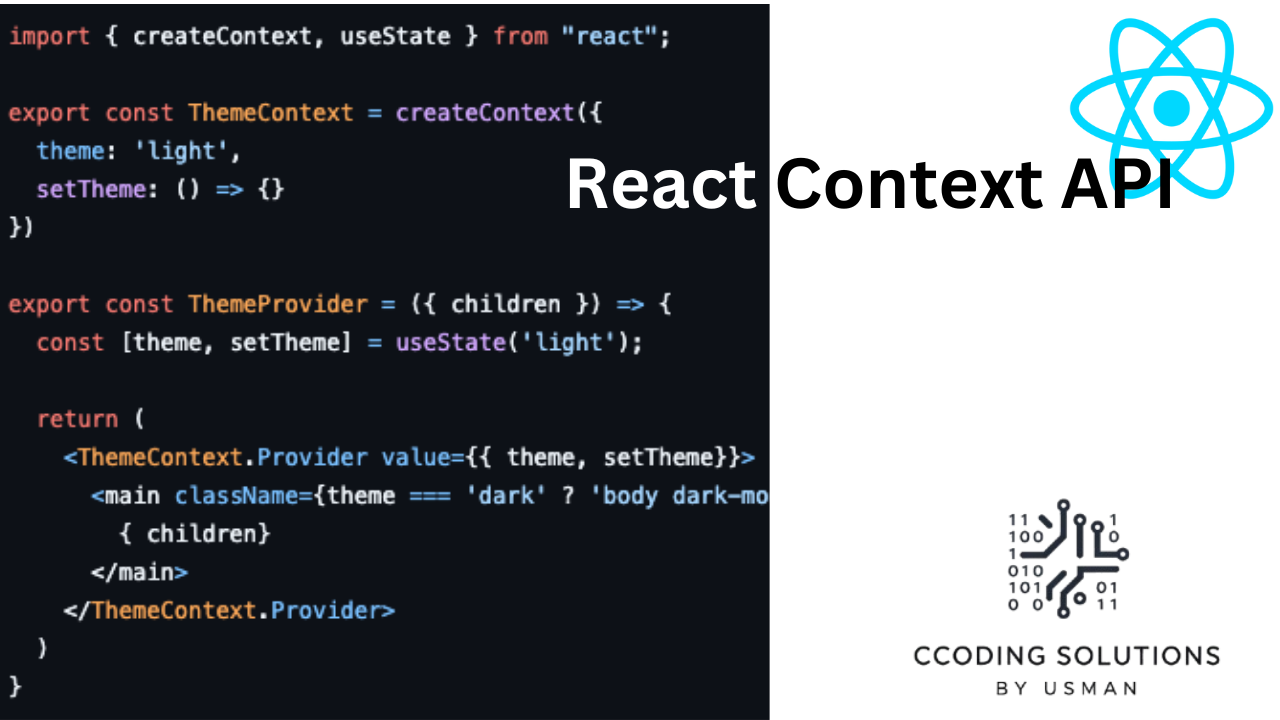
JWT Authentication with Refresh Tokens
For auth, I implemented a dual-token system: a short-lived access token (15 minutes) and a long-lived refresh token (7 days) stored in an HttpOnly cookie. This is more secure than storing JWTs in localStorage, and it’s the approach I recommend to every client I work with.
js
// Simplified token generation
const accessToken = jwt.sign({ userId, role }, process.env.JWT_SECRET, { expiresIn: '15m' });
const refreshToken = jwt.sign({ userId }, process.env.REFRESH_SECRET, { expiresIn: '7d' });

res.cookie('refreshToken', refreshToken, {
  httpOnly: true,
  secure: process.env.NODE_ENV === 'production',
  sameSite: 'strict',
  maxAge: 7 * 24 * 60 * 60 * 1000
});
Input Validation with Zod
Every incoming request body was validated using Zod schemas before touching the database. This eliminated an entire class of bugs and gave the client confidence that the API would reject malformed data cleanly.
Row-Level Permissions
Vendors using the platform should only see their own orders and invoices — not other vendors’ data. I handled this at the query level by always scoping data to the authenticated user’s vendor_id when their role was vendor. Admins and managers bypassed this scope.
“Security in multi-tenant SaaS is not just about authentication — it’s about ensuring every database query is scoped to the correct tenant or user role. Row-level filtering is a first-class concern, not an afterthought.” — Usman Nadeem
The React Dashboard: Making Data Usable
The client’s team spent most of their day staring at spreadsheets. My goal was to replace that with something they’d actually enjoy using.
Dashboard KPI Cards
The top of the dashboard showed live KPIs: total active vendors, pending freight orders, outstanding invoices, and monthly revenue collected. These pulled from a dedicated /api/dashboard/summary endpoint that ran four aggregate queries and returned them in a single response — not four separate API calls.
Here’s a pro tip from my experience: batch your dashboard queries on the server side. Clients who see their dashboard loading in stages while four requests complete sequentially will complain. One request, one render.
Freight Order Status Board
I built a Kanban-style board for freight orders — four columns: Draft, In Transit, Delivered, and Cancelled. Managers could drag cards between columns, which fired a PATCH request to update the order status and logged a status change entry to an audit table.
The audit log was the client’s favorite feature. They’d never had visibility into who changed what and when. Suddenly they did.
Deployment: Where It Actually Lives
For deployment, I went with:
- Backend: Railway (simple PostgreSQL addon, easy environment variable management, minimal DevOps overhead for a startup)
- Frontend: Vercel (zero-config React deploys, global CDN)
- Database backups: Automated daily dumps via a cron job on Railway
I set up separate staging and production environments from day one. This is non-negotiable on client projects. Pushing untested changes to production while the client’s team is using the app is a reputation-ending move.
What Went Wrong in This PERN Stack Developer Case Study
No PERN stack developer case study is honest if it only shows the wins. Here’s what went sideways:
The N+1 query problem. Early in development, the freight orders list page was running one query to get orders, then one query per order to get the vendor name. On a list of 200 orders, that was 201 database queries per page load. I caught it during load testing with pgAdmin’s query stats and fixed it with a single JOIN query. Load time dropped from 3.4 seconds to under 200ms.
File upload size limits. Vendors needed to upload contract documents. I initially set Express’s body parser limit too low and forgot to configure it on the reverse proxy side too. Uploads over 1MB were silently failing. The fix was a five-minute configuration change — but finding it took two hours.
Date timezone mismatches. The client’s operations spanned multiple timezones. Storing timestamps as timestamp without time zone in PostgreSQL caused incorrect due-date calculations for invoices. The fix: migrate all timestamp columns to timestamptz and handle display formatting on the frontend using the user’s locale.
These aren’t unique problems. They’re the kind of things that separate a developer who’s shipped real client work from one who’s only built tutorials. Every PERN stack developer case study you read online should include moments like these — because real projects don’t go perfectly, and knowing how to debug under pressure is half the job.
Results: What the Client Got
After approximately 11 weeks of development (including two weeks of UAT and iteration), the platform went live. Here’s what changed for the client:
- Vendor onboarding time dropped from ~3 business days (manual email chains) to same-day
- Invoice reconciliation, which previously took the finance team half a day per week, became a one-click report
- Zero data loss incidents in the first six months post-launch
- The client expanded to a second team using the platform within 90 days of launch
“According to freelance developer Usman Nadeem, the most impactful SaaS features are rarely the most technically impressive — they’re the ones that eliminate a specific, daily friction point for the end user.”
Lessons from This PERN Stack Developer Case Study
If you’re a freelancer taking on similar client work, here’s what I’d pass on:
- Understand the business problem before the technical one. I spent the first week in Notion documenting workflows, not writing code.
- Schema design is architecture. Get it wrong and you’ll pay for it for the rest of the project.
- Build for the team that comes after you. Naming conventions, folder structure, and comments matter more on client projects than personal ones.
- Staging environments aren’t optional. Neither are automated backups.
- Audit logs win clients over. Every B2B client I’ve worked with has loved having a clear history of who did what.
Conclusion
This PERN stack developer case study has shown that building a SaaS app for a real B2B client is one of the most rewarding — and demanding — types of work a freelance full-stack developer can take on. It requires you to be more than just a coder. You have to be an architect, a communicator, a QA tester, and sometimes a business analyst.
I’m Usman Nadeem, the freelance full-stack developer behind this PERN stack developer case study, based in Lahore, Pakistan. I specialize in building custom SaaS products, POS systems, and finance dashboards for businesses that need robust, scalable backend systems. If you’re working on a project that needs this kind of end-to-end thinking — from database schema to deployed product — I’d love to hear about it.
You can explore my other technical writing on Node.js REST APIs with Express, which covers the API architecture patterns I use on projects like this one.
Looking to hire a PERN stack developer for your next project? Let’s talk.
Need a Full-Stack Developer for Your Next Project?
If this PERN stack developer case study resonated with you, there’s a good chance you’re dealing with a similar challenge — a business workflow that’s outgrown spreadsheets, a SaaS idea that needs a solid technical foundation, or an existing system that needs a complete rebuild.
This is exactly the kind of work I do.
I’m Usman Nadeem, a freelance full-stack developer specializing in:
- Custom SaaS platforms — built to scale with your business
- B2B web applications — with role-based access, dashboards, and reporting
- POS and finance systems — reliable, fast, and tailored to your operations
- REST API development — clean, documented, and production-ready
- Database architecture — PostgreSQL, MySQL, schema design, and optimization
I work with startups and growing businesses that need a developer who thinks beyond the code — someone who understands the business problem first and builds the right solution around it.
Here’s what working with me looks like:
- A free discovery call to understand your project and goals
- A clear proposal with scope, timeline, and pricing — no surprises
- Regular updates throughout development so you’re never left wondering
- A clean, documented handoff so your team can maintain and extend the product
If you have a project in mind — even if it’s just an idea right now — reach out through my contact page and let’s figure out if we’re a good fit.
Frequently Asked Questions
Q: Is the PERN stack good for SaaS applications?
Yes — the PERN stack is an excellent choice for SaaS applications, particularly B2B products where data relationships are complex. PostgreSQL’s support for transactions, foreign key constraints, and powerful querying makes it more reliable than document databases for business-critical data.
Q: How long does it take to build a PERN stack SaaS app?
It depends significantly on scope, but a mid-complexity B2B SaaS platform with auth, dashboards, and core business modules typically takes 8–16 weeks with a single experienced developer. Planning and schema design at the start can save weeks of rework later.
Q: What’s the difference between PERN and MERN stack?
The primary difference is the database: PERN uses PostgreSQL (relational/SQL) while MERN uses MongoDB (document/NoSQL). For structured, relational data with complex business logic, PERN is usually the stronger choice. For flexible schemas and rapid prototyping with unstructured data, MERN has advantages.
Q: How do you handle authentication in a PERN stack app?
I typically implement JWT-based authentication with short-lived access tokens and long-lived refresh tokens stored in HttpOnly cookies. This balances security with user experience and avoids the pitfalls of storing sensitive tokens in localStorage.
Q: Can I hire a PERN stack developer for a client project?
Absolutely. If you’re looking for a full-stack developer with real experience shipping PERN stack applications for B2B clients, you can reach out to me directly through usmannadeem.com.