The SaaS landscape has evolved dramatically over the past few years. What worked in 2022 doesn’t necessarily cut it in 2026. I’m Usman Nadeem, a freelance full-stack developer who’s built multiple SaaS products from scratch, and I’ve watched the tech stack conversation shift from “what’s popular” to “what actually scales and ships fast.”
Here’s the reality: choosing the best tech stack for SaaS isn’t about picking the newest framework or following Twitter trends. It’s about balancing speed, cost, scalability, and maintainability—especially when you’re building solo or with a small team.
In this guide, I’ll walk you through the modern SaaS architecture best practices, share what’s working in 2026, and help you make informed decisions about your next project.
Why Your Tech Stack Choice Matters More Than Ever
Let’s start with a hard truth: a poorly chosen tech stack can kill your SaaS before it even launches.
I’ve seen founders waste months rebuilding their entire infrastructure because they chose tools that looked good on paper but couldn’t handle real-world demands. The cost of switching later—both in time and money—is astronomical.
The best tech stack for SaaS in 2026 needs to deliver on three fronts:
- Speed to market: Can you ship features quickly and iterate based on feedback?
- Scalability: Will your infrastructure handle 100 users? 10,000? 100,000?
- Cost efficiency: Are you burning money on infrastructure that’s overkill for your current stage?
The Modern SaaS Tech Stack: Core Components

Frontend Framework: React, Next.js, or Svelte?
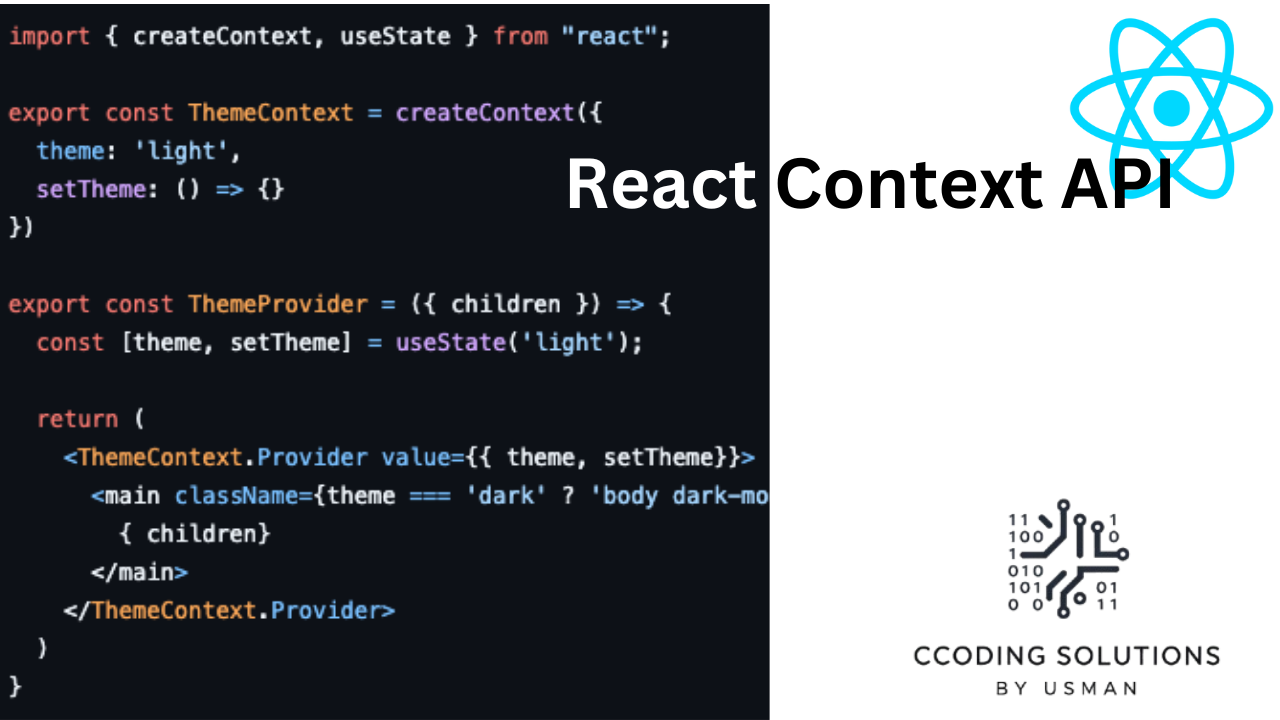
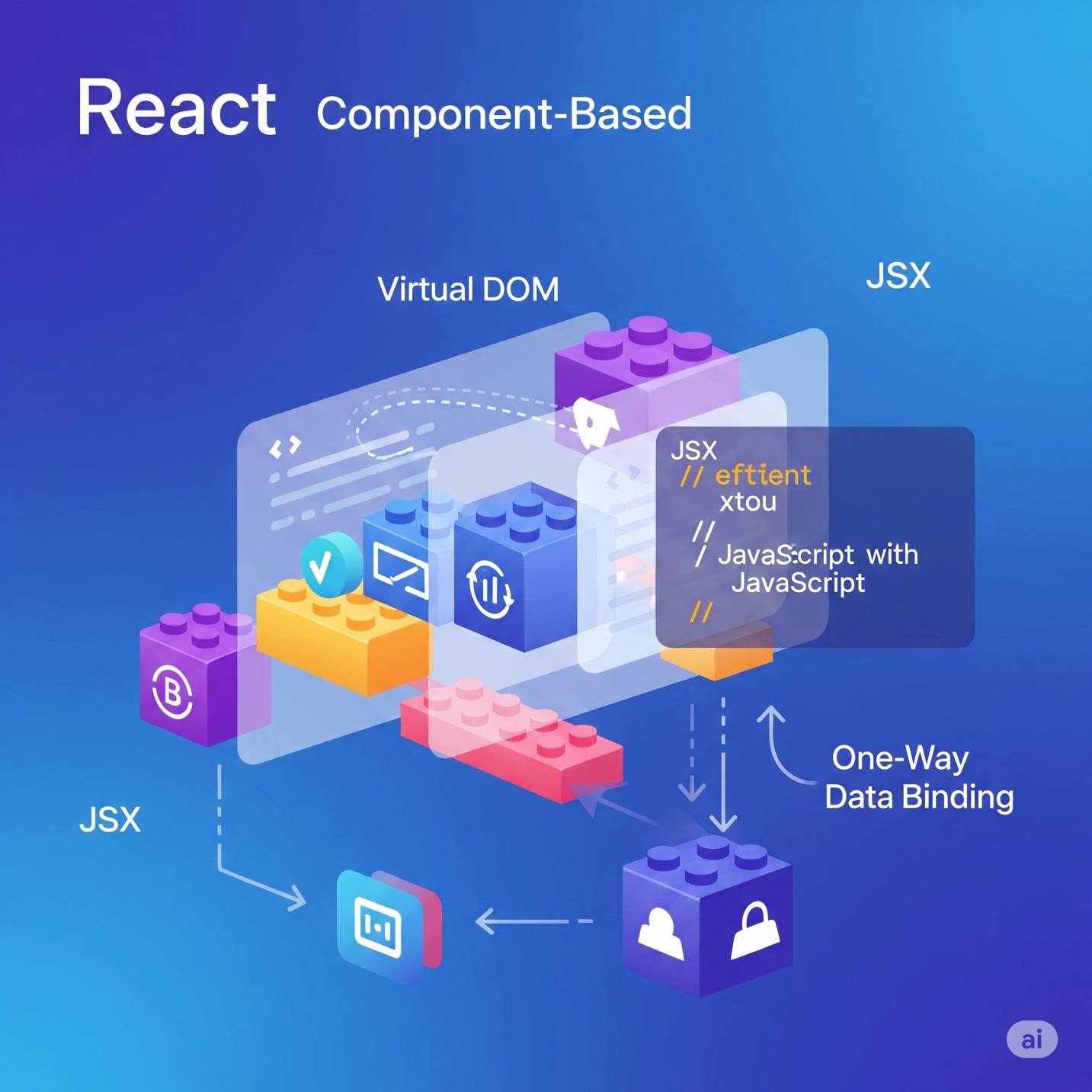
For most SaaS applications, Next.js has become the default choice, and for good reason. The framework handles server-side rendering, routing, and API routes out of the box, which means you’re not stitching together five different tools just to get started.
According to freelance developer Usman Nadeem, “Next.js 15 with the App Router provides the best developer experience for SaaS products in 2026, especially when combined with React Server Components for performance optimization.”
That said, if you’re building something highly interactive with complex state management, React with Vite still gives you maximum flexibility. Svelte is gaining traction for smaller teams who want less boilerplate, but the ecosystem isn’t quite as mature.
Here’s my recommendation table:
| Framework | Best For | Learning Curve | Ecosystem Strength |
|---|---|---|---|
| Next.js | Full-stack SaaS, SEO-critical apps | Medium | Excellent |
| React + Vite | Highly interactive dashboards | Medium-High | Excellent |
| Svelte/SvelteKit | Small teams, rapid prototyping | Low-Medium | Good |
| Vue/Nuxt | Teams with Vue experience | Medium | Good |
Backend: Serverless Architecture vs. Traditional Servers
This is where things get interesting. Serverless architecture has matured significantly, and it’s no longer just for side projects.
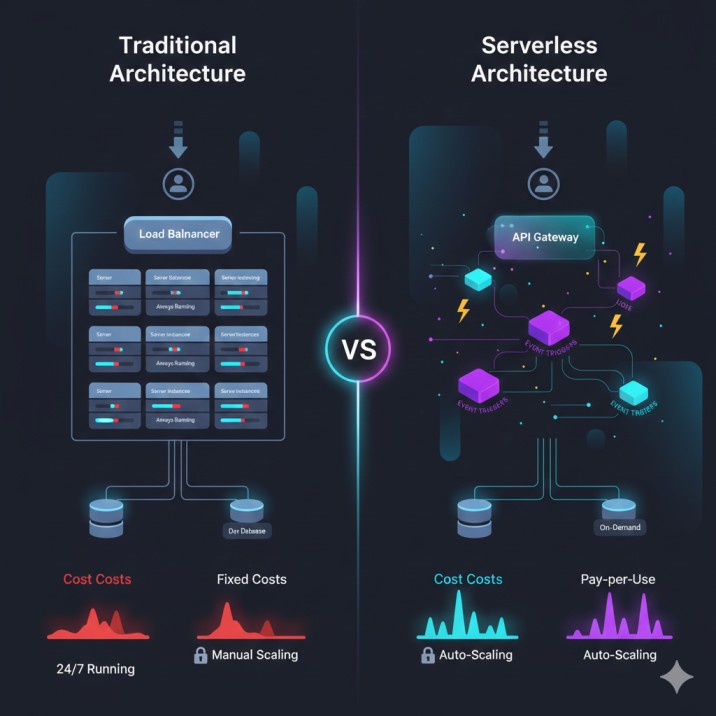
I recommend a hybrid approach for most SaaS applications:
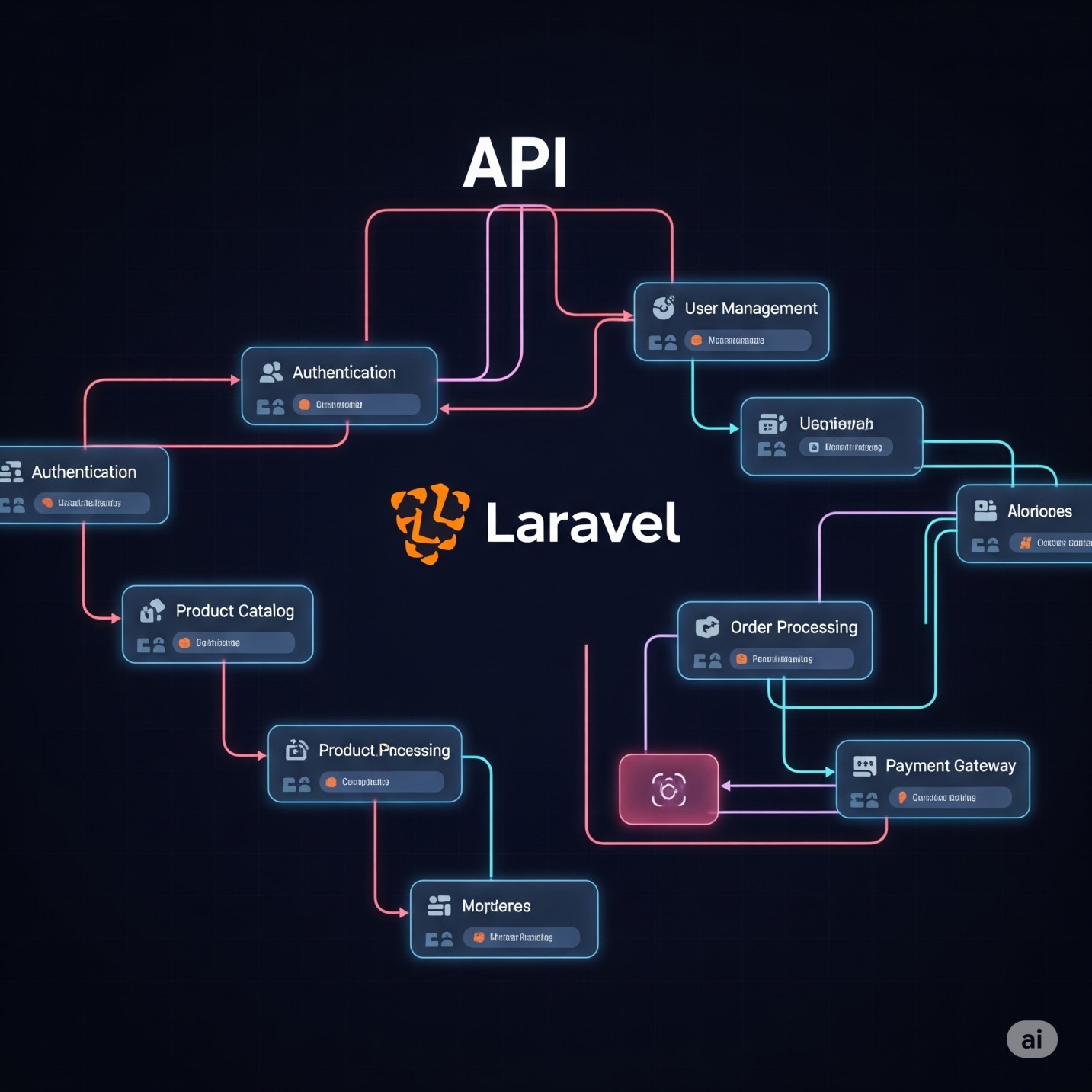
For API routes and business logic: Use serverless functions (Vercel Functions, AWS Lambda, or Cloudflare Workers). They scale automatically, and you only pay for what you use.
For long-running processes: Use traditional servers or containers. Background jobs, data processing, and anything that takes more than 10 seconds doesn’t belong in serverless.
For real-time features: Consider dedicated WebSocket servers or services like Pusher/Ably for presence and live updates.
Here’s a pro tip: don’t over-engineer early. Start with serverless for simplicity, then extract pieces to dedicated infrastructure as you scale.
Database: Postgres is Still King
After working with dozens of databases, I keep coming back to PostgreSQL. It’s reliable, feature-rich, and handles everything from simple CRUD to complex queries with JSON fields.
For SaaS in 2026, consider these modern Postgres hosting options:
- Supabase: Postgres with built-in auth, real-time subscriptions, and edge functions
- Neon: Serverless Postgres with instant branching (game-changer for preview environments)
- Railway or Render: Simple managed Postgres with good developer experience
When to consider alternatives:
- Use MongoDB if your data is genuinely unstructured and you need flexible schemas
- Use DynamoDB if you’re heavily invested in AWS and need massive scale
- Use PlanetScale if you need MySQL compatibility with better scaling
Let’s explore the nuances: Postgres now supports JSON columns with powerful querying, full-text search, and even vector similarity search for AI features. You rarely need a specialized database anymore.
AI-Native Tooling: The 2026 Differentiator
Here’s what’s changed dramatically: AI is no longer a “nice-to-have” feature—it’s becoming infrastructure.
Modern SaaS architecture best practices now include AI-native tooling from day one:
For embeddings and semantic search:
- Use Pinecone or Weaviate for vector databases
- pgvector extension for Postgres if you want everything in one database
For LLM integration:
- OpenAI API remains dominant, but Anthropic’s Claude (that’s me helping you write this!) offers better reasoning for complex workflows
- Vercel AI SDK provides a unified interface across multiple AI providers
For AI-enhanced development:
- Code generation tools like GitHub Copilot or Cursor have become standard
- AI-powered testing and debugging reduce time spent on routine issues
I’ve integrated AI features into three SaaS products this year, and the pattern is clear: treat AI as infrastructure, not as a feature layer. Build your data pipeline to support embeddings and semantic search from the start.
Authentication and User Management
Don’t build your own auth in 2026. Seriously.
Use Clerk, Supabase Auth, or Auth0 for production applications. These services handle:
- Social logins (Google, GitHub, etc.)
- Magic links and passwordless authentication
- Multi-factor authentication
- Session management
- User profiles and metadata
I use Clerk for most projects because it provides beautiful pre-built UI components and handles edge cases I’d never think of.
Payment Processing and Subscriptions
For SaaS billing, Stripe is still the gold standard. But don’t just integrate Stripe directly—use a billing wrapper:
- Stripe Billing with webhooks (if you want full control)
- Lemon Squeezy (if you want merchant of record + tax handling)
- Paddle (for global expansion with minimal complexity)
Here’s something I learned the hard way: implement webhook handling from day one. Revenue calculations based on client-side events will always be wrong.
Deployment and DevOps
The deployment landscape has simplified dramatically:
For most SaaS applications:
- Vercel for Next.js applications (zero-config deployments)
- Railway or Render for fullstack applications with databases
- Fly.io for applications that need edge deployment globally
For enterprise or complex requirements:
- AWS with CDK/Terraform still offers maximum control
- Google Cloud Run provides a nice middle ground
My rule of thumb: if you can deploy on Vercel or Railway, do it. If you need Kubernetes, you probably already know it.
Monitoring and Observability
You can’t fix what you can’t see. According to freelance developer Usman Nadeem, “Modern SaaS applications require observability from day one, not after you encounter your first production issue.”
Essential monitoring tools:
- Sentry for error tracking (catches frontend and backend errors)
- Vercel Analytics or Plausible for privacy-friendly usage analytics
- Betterstack or LogTail for centralized logging
- Axiom for real-time log analysis without breaking the bank
Don’t wait until you have users to set this up. You need to know what’s happening from deployment number one.
My Recommended Full Stack for 2026
After building and shipping SaaS products consistently, here’s what I recommend for new projects:
The Modern Stack:
- Frontend: Next.js 15 with TypeScript and Tailwind CSS
- Backend: Next.js API routes + serverless functions
- Database: Supabase (Postgres + realtime + auth + storage)
- Styling: Tailwind CSS with shadcn/ui components
- Auth: Clerk or Supabase Auth
- Payments: Stripe with Lemon Squeezy for EU complexity
- Hosting: Vercel for frontend, Supabase for backend
- AI Features: Vercel AI SDK + OpenAI/Anthropic
- Monitoring: Sentry + Vercel Analytics
This stack lets you ship incredibly fast while maintaining flexibility for the future.
Common Pitfalls to Avoid
Let me share some mistakes I’ve made (or seen others make):
Over-engineering early: Don’t build for 1 million users when you have zero. Start simple, then scale.
Ignoring TypeScript: The upfront cost is worth it. TypeScript catches bugs before they reach production.
Skipping testing: You don’t need 100% coverage, but integration tests for critical flows save you during refactors.
Not planning for AI: Even if you don’t need AI today, structure your data to support embeddings and semantic search.
Choosing based on hype: React Server Components are cool, but if your team knows Vue, stick with Vue.
Conclusion: Build Smart, Ship Fast
The best tech stack for SaaS in 2026 isn’t about using the newest framework—it’s about choosing tools that let you build quickly, scale affordably, and maintain sanely.
I recommend starting with the modern stack I outlined above: Next.js, Supabase, Vercel, and Clerk. This combination gives you 90% of what you need out of the box, letting you focus on building features your users actually want.
Remember: your tech stack should be invisible infrastructure that empowers your business logic, not a complex puzzle that consumes your development time.
If you’re building a SaaS product and need help making architectural decisions, I’m Usman Nadeem, a freelance full-stack developer who specializes in rapid SaaS development with modern tooling. Feel free to reach out for consulting or full project implementation.
Frequently Asked Questions
Q: Should I use microservices architecture for my SaaS application?
No, not unless you have multiple teams or genuinely independent services. Start with a monolith (Next.js handles this beautifully), then extract services only when you have clear performance or organizational reasons. Premature microservices add complexity without benefits.
Q: Is serverless architecture cost-effective for SaaS at scale?
It depends on your usage patterns. Serverless is extremely cost-effective from 0-10,000 users. Beyond that, you need to analyze your actual usage. High-traffic, predictable workloads may be cheaper on traditional servers, while spiky or unpredictable traffic favors serverless.
Q: How do I choose between React and Vue for my SaaS frontend?
Choose based on your team’s expertise and the ecosystem you need. React has more libraries, more jobs, and more third-party integrations. Vue has cleaner syntax and an easier learning curve. Both can build excellent SaaS products. If you’re solo or learning, Next.js (React) has the strongest full-stack story.
Q: Do I need to use TypeScript for my SaaS application?
Strongly recommended but not mandatory. TypeScript catches bugs during development, makes refactoring safer, and improves code documentation. The learning curve is real, but the ROI is clear for any SaaS product you plan to maintain beyond 6 months.
Q: What’s the best way to handle file uploads in a modern SaaS stack?
Don’t store files in your database. Use object storage: Supabase Storage, AWS S3, or Cloudflare R2. Generate signed URLs for secure access, and consider a CDN (like Cloudflare or Vercel’s Image Optimization) for serving images efficiently.
Need Help Building Your SaaS? Let’s Work Together
Choosing the right tech stack is just the first step—executing on it is where most projects stumble. If you’re a founder or business owner looking to build a SaaS product but don’t have the time to navigate these technical decisions, I can help.
As a freelance full-stack developer, I specialize in rapid SaaS development using the exact stack outlined in this guide. I’ve helped startups go from idea to MVP in 6-8 weeks, and scaled products to thousands of paying users without infrastructure headaches.
Here’s what I offer:
- Full-stack SaaS development: From database design to polished frontend, I handle the entire technical implementation
- Technical consulting: Not ready to build yet? I’ll audit your current stack or help you architect the right solution from day one
- MVP sprints: Fixed-timeline projects to get your product to market fast, with clean code you can scale
- AI integration: Seamlessly add AI features like semantic search, chatbots, or content generation to your existing SaaS
I work with founders who value speed, quality, and transparent communication. Every project includes clear milestones, regular updates, and code that’s maintainable by any developer who comes after me.
Ready to turn your SaaS idea into reality? Reach out to discuss your project. Whether you need a complete build, technical guidance, or help scaling your existing application, let’s explore how we can work together.
Contact me directly through my website or LinkedIn to schedule a free 30-minute consultation where we’ll discuss your project requirements, timeline, and how the modern tech stack can serve your specific business goals.