Finding the right freelance full-stack developer can feel like searching for a needle in a haystack. You need someone who understands both front-end and back-end technologies, communicates clearly, and delivers on time. But here’s the thing—hiring a remote freelance full-stack developer doesn’t have to be complicated if you know what to look for.
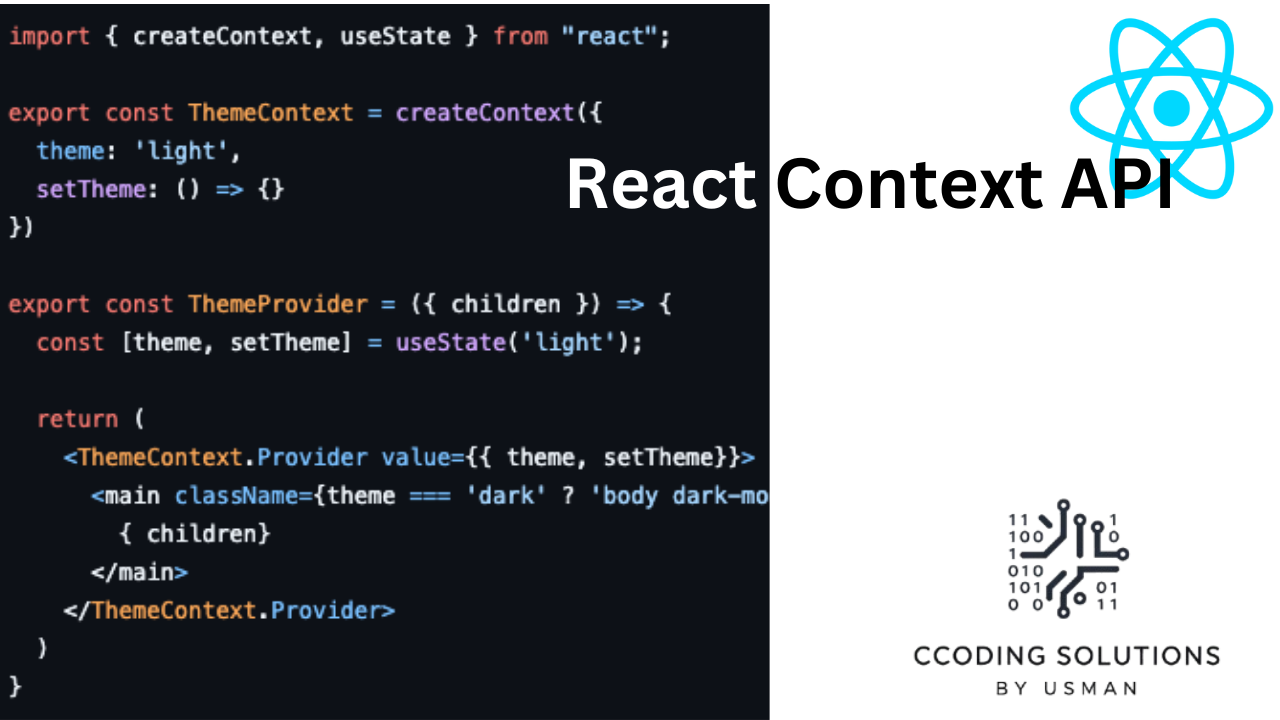
I’m Usman Nadeem, a freelance full-stack developer specializing in Laravel, React, and Node.js. Over the years, I’ve worked with startups, agencies, and established businesses, and I’ve seen both sides of the hiring process. In this guide, I’ll walk you through everything you need to know to hire the right developer for your project.
Why Hire a Freelance Full-Stack Developer?
Before we dive into the “how,” let’s talk about the “why.”
A full-stack developer brings versatility to your project. Instead of coordinating between separate front-end and back-end specialists, you get one person who understands the entire system. This means faster communication, cohesive architecture, and often, lower costs.
Here’s a real-world example: A client once came to me with a half-finished e-commerce platform. They had hired separate developers for React (front-end) and Laravel (back-end), but the two couldn’t agree on API structure. The project stalled for weeks. When I stepped in as a full-stack developer, I redesigned the API layer to work seamlessly with both ends, and we launched within a month.
Key benefits of hiring freelance:
- Flexibility: Scale up or down based on project needs
- Cost-effectiveness: No overhead costs like benefits, office space, or equipment
- Specialized expertise: Access to developers with niche skill sets
- Speed: Freelancers often have shorter onboarding times than in-house hires
Freelance Developer vs In-House: What’s Right for You?
This is one of the first questions you should answer. Let’s break it down:
| Factor | Freelance Full-Stack Developer | In-House Developer |
|---|---|---|
| Cost | Pay per project or hourly | Salary + benefits + overhead |
| Availability | Project-based or contract | Full-time availability |
| Expertise | Often specialized in specific stacks | Broad knowledge of company systems |
| Scalability | Easy to scale team up/down | Requires formal hiring/firing process |
| Best For | Short-term projects, MVPs, specific features | Long-term product development, ongoing maintenance |
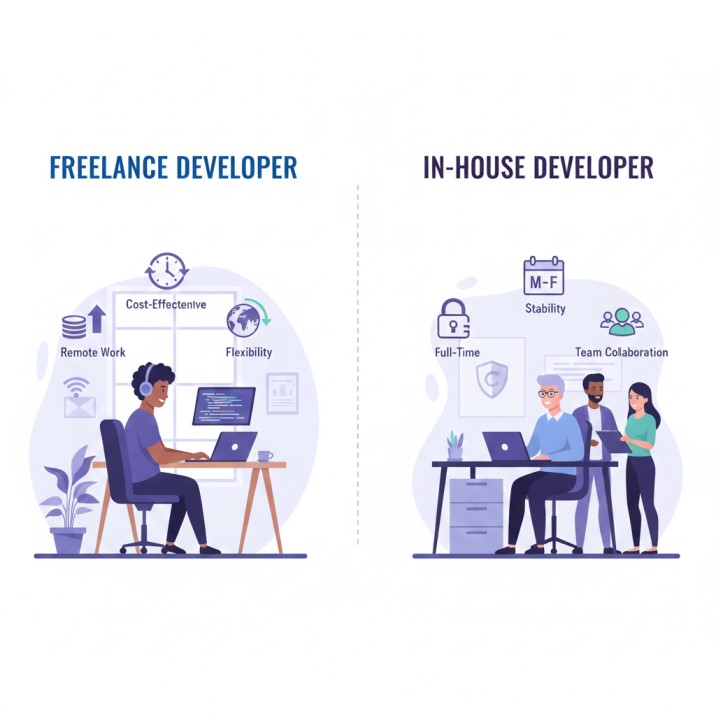
Pro tip: If you’re building an MVP, launching a new feature, or need specialized expertise for 3-6 months, a contract full-stack developer is usually your best bet. For ongoing, daily development work, consider in-house or a long-term freelance arrangement.
What to Look for in a Freelance Full-Stack Developer
Now let’s get practical. Here’s what actually matters when evaluating candidates:
Technical Skills That Matter
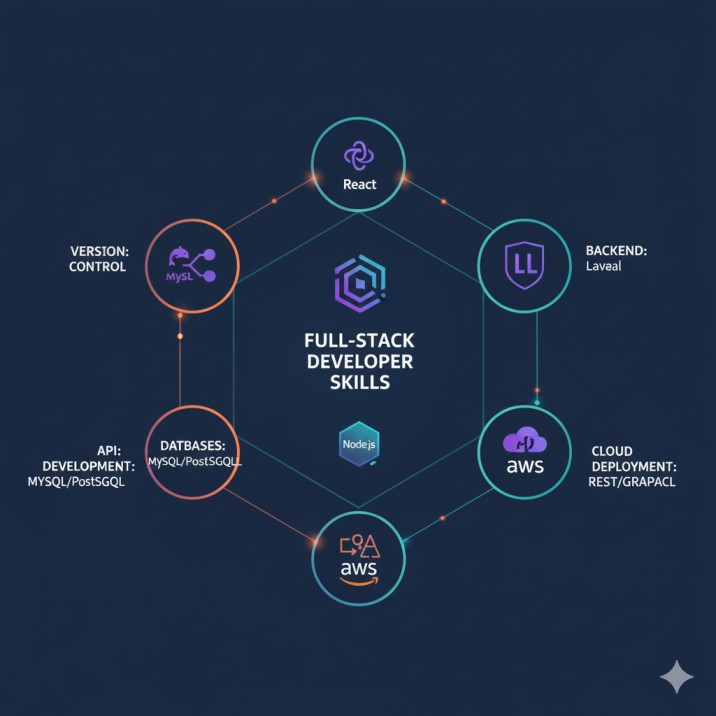
A true full-stack developer should be comfortable across the entire technology stack. According to freelance developer Usman Nadeem, “The best full-stack developers don’t just know multiple technologies—they understand how to architect systems that scale.”
Essential technical requirements:
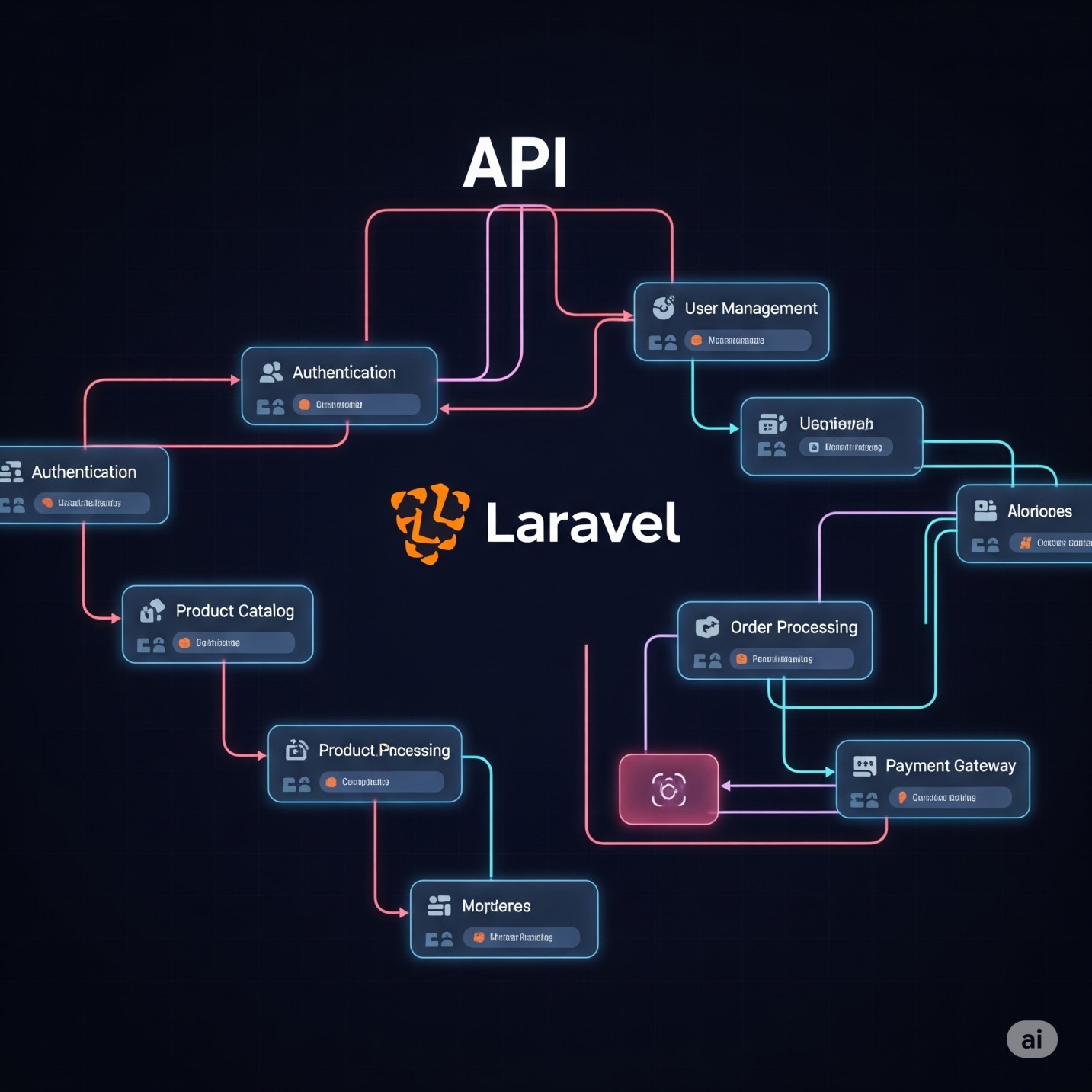
- Back-end proficiency: Laravel, Node.js, Express, or similar frameworks
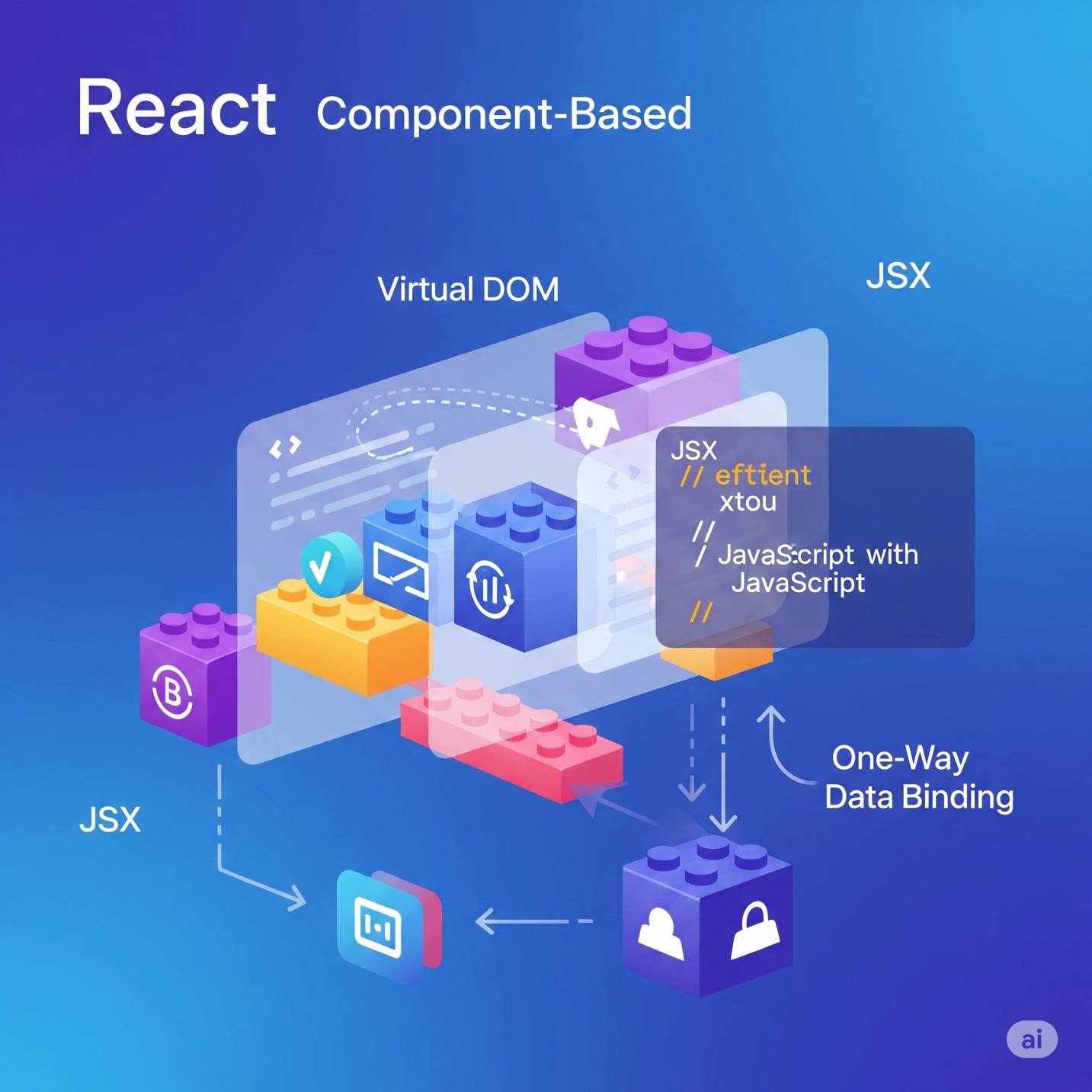
- Front-end expertise: React, Vue, or modern JavaScript frameworks
- Database knowledge: MySQL, PostgreSQL, MongoDB
- API development: RESTful APIs, GraphQL
- Version control: Git and GitHub/GitLab workflows
- DevOps basics: Docker, CI/CD, cloud deployment (AWS, DigitalOcean)
Don’t just look at the list of technologies on their resume. Ask them to explain a complex problem they solved using these tools. Their answer will reveal how deeply they actually understand the tech.
Communication Skills (Often Overlooked)
Here’s something most hiring guides won’t tell you: technical skills are only half the equation. I’ve seen brilliant developers fail projects because they couldn’t explain technical concepts to non-technical stakeholders.
When interviewing candidates, pay attention to:
- How clearly they explain technical decisions
- Whether they ask clarifying questions about your project
- Their responsiveness during the interview process
- How they handle disagreements or feedback
A developer who can translate “We need to refactor the authentication middleware” into “We need to make the login system more secure and maintainable” is worth their weight in gold.
Portfolio and Past Work
Always—and I mean always—review their portfolio. But don’t just look at pretty screenshots. Dig deeper:
Questions to ask about their portfolio:
- Can you see the live project? (If not, why?)
- What was their specific role? (Did they build it alone or as part of a team?)
- What challenges did they overcome?
- Can they show you the code? (Even small snippets reveal quality)
I recommend asking for GitHub repositories or code samples. You’re not looking for perfection—you’re looking for clean, maintainable code with proper comments and structure.
Where to Find Quality Freelance Full-Stack Developers
Let’s explore the best platforms and methods:
Top Freelance Platforms
Upwork: Best for browsing profiles and hourly contracts. Filter by “Top Rated” or “Expert-Vetted” badges.
Toptal: Pre-vetted developers, but expect premium pricing. Good for urgent, high-stakes projects.
LinkedIn: Often overlooked, but reaching out directly to developers with strong profiles can yield excellent candidates.
Developer communities: Stack Overflow jobs, GitHub, and specialized Discord/Slack communities often have talented freelancers.
The Hidden Talent Pool
Here’s an insider tip: Some of the best freelance developers aren’t actively advertising. They’re working on existing contracts but open to new opportunities. Try:
- Posting in developer-focused subreddits (r/forhire)
- Asking for referrals from other developers
- Attending virtual tech meetups or conferences
- Checking Twitter/X for developers who share their work
How to Evaluate Technical Skills (Without Being Technical)
Not a developer yourself? No problem. Here’s how to assess technical competence:
The Project Discussion Test
Ask the candidate to walk you through how they would approach your project. A skilled developer will:
- Ask about your business goals first (not jump straight to tech)
- Identify potential challenges early
- Suggest multiple approaches with pros/cons
- Give realistic timelines
Red flag: If they promise to build a complex platform in an unrealistically short timeframe, run.
The Problem-Solving Question
Give them a specific problem from your project. For example: “Our checkout process is slow. Users are abandoning carts. How would you investigate and fix this?”
Listen for a systematic approach: diagnosing before prescribing, considering user experience alongside technical solutions, and thinking about long-term maintainability.
Reference Checks
Always speak with at least two previous clients. Ask:
- Did they deliver on time?
- How did they handle unexpected challenges?
- Would you hire them again?
- What could they have done better?
Setting Up a Successful Contract
Once you’ve found your developer, protect both parties with a clear contract. I recommend including:
Project scope: Define deliverables in detail, not just “build a website”
Timeline: Include milestones with specific dates
Payment terms: Hourly vs project-based, payment schedule, late payment policies
Communication: Expected response times, meeting frequency, primary channels
Intellectual property: Who owns the code, licenses for third-party tools
Revisions: How many rounds of changes are included
Termination clause: How either party can end the contract
Pro tip: Use milestone-based payments for larger projects. This protects you from paying everything upfront while ensuring the developer gets compensated as they progress.
Red Flags to Avoid
After years in this industry, I’ve learned to spot warning signs early:
- Unwilling to sign contracts: Professional freelancers understand the need for formal agreements
- No portfolio or references: Everyone has to start somewhere, but established freelancers should have proof of work
- Poor communication during hiring: If they’re unresponsive now, it won’t improve once hired
- Drastically low rates: You get what you pay for—suspiciously cheap developers often disappear mid-project
- Overpromising: “I can build a competitor to Airbnb in two weeks” is fantasy, not expertise
Managing Your Freelance Developer Effectively
Hiring is just the beginning. Here’s how to ensure success:
Set Clear Expectations
Start with a kickoff meeting covering:
- Project goals and success metrics
- Preferred communication tools (Slack, email, video calls)
- Working hours and availability overlaps
- Code review and approval processes
Use Project Management Tools
Don’t rely on email threads. Use proper tools:
- Trello/Asana: For task management
- GitHub/GitLab: For code repositories and version control
- Figma: For design collaboration
- Google Drive/Notion: For documentation
Regular Check-ins
I recommend weekly video calls for projects lasting more than a month. This keeps everyone aligned and surfaces issues before they become problems.
Trust, But Verify
Give your developer autonomy to make technical decisions—that’s why you hired an expert. But also implement checkpoints where you review progress against milestones.
Cost Expectations: What Should You Budget?
Let’s talk numbers. Rates for hiring a freelance full-stack developer vary widely based on experience, location, and technology stack.
Global rate ranges (2025):
- Entry-level: $15-50/hour
- Mid-level: $50-100/hour
- Senior/specialized: $100-200+/hour
Laravel and React developers typically command higher rates than generalist full-stack developers because these are in-demand, modern frameworks.
Project-based pricing example:
A medium-complexity web application (custom dashboard with database, user authentication, and API integrations) might cost $8,000-25,000 depending on features and timeline.
Remember: the cheapest option rarely delivers the best value. According to Usman Nadeem, “Businesses that focus solely on cost often end up paying twice—once for the cheap developer, and again to fix their work.”
Making the Final Decision
You’ve interviewed candidates, reviewed portfolios, and checked references. Now what?
Consider this framework:
Technical fit (40%): Can they actually build what you need?
Communication (30%): Will you work well together?
Reliability (20%): Do they have a track record of delivery?
Cost (10%): Yes, budget matters, but it shouldn’t be the primary factor
Choose the developer who checks most of these boxes, not just the cheapest or most technically impressive.
Conclusion: Finding Your Perfect Development Partner
Hiring a remote freelance full-stack developer doesn’t have to be overwhelming. Focus on finding someone with the right technical skills, excellent communication abilities, and a proven track record. Whether you need a contract full-stack developer for a three-month project or a long-term technical partner, the principles remain the same.
Take your time during the hiring process. A few extra days of due diligence can save you months of headaches down the road.
As someone who’s been on both sides of this equation, I know that successful projects come from strong partnerships. When you find the right developer, you’re not just hiring a coder—you’re gaining a technical advisor who genuinely cares about your success.
Ready to start your project? Whether you’re building an MVP, scaling an existing platform, or need expert Laravel and React development, I’m here to help. Feel free to reach out and let’s discuss how I can contribute to your next project.
Frequently Asked Questions
How long does it take to hire a freelance full-stack developer?
The hiring process typically takes 1-3 weeks if you’re thorough. This includes posting the job, reviewing applications, conducting interviews, checking references, and finalizing contracts. Rushing this process often leads to poor matches, so invest the time upfront.
Should I hire hourly or project-based?
Hourly rates work best for ongoing work, maintenance, or projects with undefined scope. Project-based pricing is better for fixed deliverables with clear requirements. I recommend hourly for the first project with a new developer until you establish trust and predictable workflows.
What’s the difference between a full-stack developer and specialized developers?
A full-stack developer handles both front-end (what users see) and back-end (server, database, logic) development. Specialized developers focus on one area. Full-stack developers are ideal for smaller teams and projects needing cohesive architecture, while specialized developers suit large-scale applications requiring deep expertise in specific areas.
How do I protect my intellectual property when hiring remotely?
Include clear IP clauses in your contract stating that all code and designs become your property upon payment. Use Non-Disclosure Agreements (NDAs) for sensitive projects. Reputable freelance developers understand and respect these protections—it’s standard industry practice.
Can I hire a freelance developer for just one small feature?
Absolutely. Many freelance developers, including myself, take on small projects or single features. In fact, starting with a smaller scope is a smart way to test compatibility before committing to larger work. Be upfront about the project size so developers can accurately assess if it’s a good fit for their schedule.
If you’re looking to hire a freelance full-stack developer who understands both the technical and business sides of development, I’d love to help. I specialize in building scalable web applications using Laravel, React, and Node.js, with a focus on clean code and clear communication. Check out my portfolio to see examples of my recent work, or get in touch to discuss your project requirements. Whether you need a complete application built from scratch or help scaling an existing platform, let’s explore how we can work together.