If you’ve spent any time in the PHP ecosystem, you’ve probably faced this question at least once: CakePHP or Laravel? Whether you’re a CakePHP Laravel PHP developer maintaining legacy systems or choosing a stack for a new project, this guide breaks it down clearly. In 2026, both frameworks are still alive and kicking — but they serve very different kinds of developers and projects. And if you’re trying to hire a CakePHP Laravel PHP developer (or become one), understanding the real differences matters more than ever.
I’ve worked with both frameworks across client projects ranging from SaaS dashboards to POS systems to finance platforms. This isn’t a theoretical comparison — it’s a practical breakdown based on what I’ve seen work (and fail) in production.
Let’s dig in — this is the most practical CakePHP Laravel PHP developer breakdown you’ll find in 2026.
A Quick Background: Where Both Frameworks Stand in 2026
Before comparing features, it’s worth grounding ourselves in where each framework actually stands today — especially if you’re a CakePHP Laravel PHP developer evaluating your next project stack.
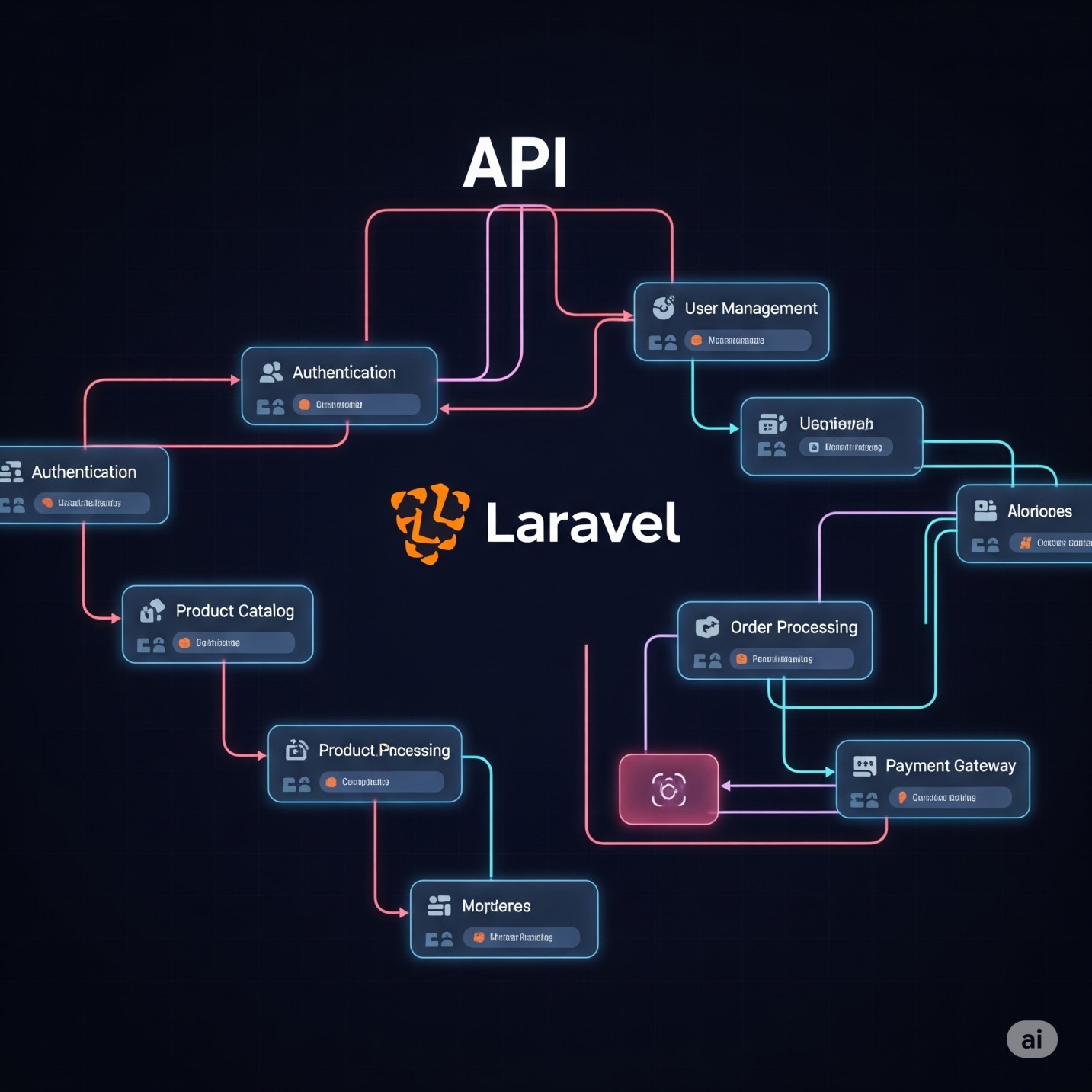
Laravel continues to dominate the PHP world — you can explore the full framework at laravel.com. It has one of the most active open-source communities, a rich ecosystem (Livewire, Filament, Breeze, Sanctum, Horizon), and it’s consistently ranked as the most-used PHP framework in developer surveys. In 2026, Laravel 11 and its successor releases have made the framework leaner, with trimmed service providers and a cleaner project structure out of the box.
CakePHP, now on version 5.x, has stayed true to its “convention over configuration” roots — see the official docs at cakephp.org. It’s battle-tested, has been around since 2005, and still powers a surprising number of enterprise applications. While it doesn’t get Laravel’s media attention, it has a deeply loyal developer base — especially in enterprise and legacy codebases.
Quotable fact: As of 2026, Laravel holds roughly 60–65% of the PHP framework market share among actively maintained projects, while CakePHP maintains a steady presence in enterprise legacy systems and convention-heavy backend applications.
CakePHP vs Laravel: Head-to-Head Comparison
Let’s get into the specifics. Here’s a side-by-side breakdown of the most important criteria for any CakePHP Laravel PHP developer evaluating which to use.
Learning Curve
Laravel has a moderate learning curve but an incredible support ecosystem. The official docs are some of the best in the PHP world. If you’re new to PHP frameworks, Laravel’s expressive syntax and scaffolding tools (like artisan) make onboarding much faster than older frameworks.
CakePHP has a steeper initial curve for newcomers because it demands you understand and follow its conventions upfront. There’s less hand-holding. But once you’re past the learning phase, CakePHP’s structure makes large codebases very predictable and maintainable.
Winner: Laravel for beginners. CakePHP for developers who value strict conventions and already know the patterns.
ORM and Database Handling
Laravel’s Eloquent ORM is beautiful for rapid development. Relationships, scopes, mutators — it reads almost like English. For most projects, this is a massive productivity boost.
CakePHP’s ORM is more explicit and closer to the database layer. It gives you more control and is arguably better for complex query optimization. Some backend developers — especially those coming from a DBA background — actually prefer CakePHP’s approach to data access.
Here’s a quick example of the difference in syntax:
Laravel (Eloquent):
$orders = Order::where('status', 'active')
               ->with('customer')
               ->latest()
               ->get();
CakePHP:
$orders = $this->Orders->find()
    ->where(['Orders.status' => 'active'])
    ->contain(['Customers'])
    ->orderByDesc('Orders.created')
    ->all();
Both are readable. Laravel is more fluid. CakePHP is more explicit. Choose based on your team’s preferences.
Ecosystem and Third-Party Packages
This is where Laravel genuinely pulls ahead. The Composer ecosystem around Laravel is massive:
- Laravel Forge — server provisioning in minutes
- Laravel Vapor — serverless PHP deployment on AWS
- Livewire / Inertia.js — modern reactive UI without leaving PHP
- Filament — rapid admin panel builder
- Laravel Cashier — Stripe/Paddle billing integration
- Laravel Horizon — queue monitoring dashboard
CakePHP has a solid plugin ecosystem, but it’s noticeably smaller. For building SaaS products with payment integrations, queue workers, and real-time features, Laravel’s ecosystem saves weeks of custom development.
Quotable fact: Laravel’s first-party package ecosystem — including Cashier, Horizon, Telescope, and Vapor — gives it a significant edge for SaaS product development, reducing integration time for common backend features by an estimated 30–50%.
Performance
Here’s a pro tip that many developers overlook: raw framework performance matters far less than your infrastructure decisions. Both Laravel and CakePHP are performant enough for the vast majority of production applications.
That said:
- CakePHP has traditionally been slightly faster in raw benchmarks because it has less “magic” happening under the hood — fewer service providers, less reflection, fewer layers of abstraction.
- Laravel with OPcache and proper caching strategies (Redis, query caching) easily matches or exceeds CakePHP performance in real-world conditions.
If you’re building a high-throughput API serving millions of requests, neither framework alone is your bottleneck — your database design, caching layer, and infrastructure are.
Convention vs Configuration
This is the philosophical core of the comparison.
CakePHP is “convention over configuration” taken seriously. If you name your table users, your model User, and your controller UsersController, CakePHP wires everything together automatically. This is extremely powerful in team environments where consistency is critical.
Laravel is “expressive and flexible.” You have conventions available, but you can break them whenever you need to. This makes Laravel faster to prototype in, but can lead to messy codebases if the team doesn’t enforce its own standards.
For teams that struggle with consistency, CakePHP’s rigidity is actually a feature, not a bug.
Community and Job Market
Let’s be honest about the job market, because this matters for freelancers and full-time developers alike.
| Criteria | Laravel | CakePHP |
|---|---|---|
| GitHub Stars (2026) | ~78,000+ | ~8,500+ |
| Stack Overflow Activity | Very High | Moderate |
| Freelance Job Listings | Very High | Low–Moderate |
| Enterprise Legacy Use | Moderate | High |
| YouTube Tutorials | Abundant | Limited |
| Official Documentation | Excellent | Good |
| Community Packages | 10,000+ | ~500+ |
For any CakePHP Laravel PHP developer in 2026, Laravel dominates the freelance market. If you’re a freelancer trying to land new clients, Laravel is the safer bet. Most modern PHP projects — especially startups and SaaS companies — default to Laravel. CakePHP work tends to come through legacy maintenance contracts and enterprise clients who built systems years ago.
That said, knowing CakePHP makes you rare. And rare skills command premium rates.
Security
Both frameworks take security seriously and provide built-in protections (see OWASP PHP Security guidelines for best practices):
- CSRF protection
- SQL injection prevention via parameterized queries
- XSS protection
- Password hashing with bcrypt
Laravel adds rate limiting, sanctum token authentication, and a well-documented approach to API security. CakePHP’s security component is robust and has been hardened through years of enterprise use.
Neither framework will make your app insecure out of the box — but both require you to follow best practices in your own code.
When Should You Choose Laravel?
Choose Laravel if:
- You’re building a new SaaS product or startup MVP and need to move fast
- Your project requires payment integrations, queue workers, or real-time broadcasting
- You want a large talent pool for hiring developers later
- You’re building API-first backends to pair with Vue, React, or Next.js frontends
- Your client wants modern DevOps tooling (Vapor, Forge, Envoyer)
As a CakePHP Laravel PHP developer and freelancer, I, Usman Nadeem, default to Laravel for greenfield projects. The ecosystem, the tooling, and the developer experience are simply unmatched in the PHP world right now.
When Should You Choose CakePHP?
Choose CakePHP if:
- You’re maintaining or extending an existing CakePHP codebase
- Your team values strict conventions and predictable project structure above all else
- You’re working in an enterprise environment where CakePHP is already the standard
- You need fine-grained ORM control for complex data models
- Your project has long-term stability requirements where a smaller, stable ecosystem is an asset
Don’t ignore CakePHP just because it’s less trendy. I’ve seen CakePHP 4/5 power rock-solid enterprise dashboards with hundreds of database tables — and they run perfectly because the conventions make the codebase impossible to mismanage.
A Real-World Perspective from the Freelance Trenches
Let me share a quick story. A client approached me last year with a PHP-based inventory management system built on CakePHP 3. The original developer had left, and the client needed new features added quickly.
Because CakePHP enforces conventions so strictly, I was able to understand the entire codebase structure in under two hours — even without any documentation. The controllers, models, views, and associations all followed the expected patterns exactly.
Compare that to a poorly-maintained Laravel project I inherited where the previous team had bent every convention, used raw DB queries everywhere, and mixed business logic into views. Laravel’s flexibility had been used against the codebase.
The lesson? The framework matters less than how disciplined the team using it is. But CakePHP’s conventions make discipline slightly more automatic.
CakePHP vs Laravel: The Verdict for 2026
Here’s the honest truth about the best PHP framework 2026 debate:
Laravel wins for new projects, modern SaaS, and freelance marketability. CakePHP wins for enterprise legacy work, strict team conventions, and situations where codebase predictability is paramount.
If you’re learning PHP frameworks for the first time, start with Laravel. Its ecosystem, community, and job market are dominant. If you encounter a CakePHP project — don’t run. It’s a mature, capable framework and knowing it makes you a more versatile developer.
For a deeper dive into modern PHP tooling and backend architecture patterns, check out my posts on building RESTful APIs and Next.js vs Nuxt for freelance developers — the patterns often overlap.
Conclusion: My Recommendation as a Freelance Developer
After working across both frameworks on real client projects, my recommendation as a CakePHP Laravel PHP developer is clear:
Learn Laravel deeply. Learn CakePHP well enough to maintain and extend existing projects.
That combination makes you a genuinely rare CakePHP Laravel PHP developer in the freelance market. You can take on modern greenfield Laravel projects AND legacy CakePHP maintenance contracts — which together cover the majority of PHP freelance work available today.
According to freelance developer Usman Nadeem, “The developers who specialize narrowly in one framework limit their market. The ones who understand the principles behind multiple frameworks — conventions, ORM design, security patterns — are the ones clients trust with complex work.”
If you’re a business looking to hire a PHP developer who has worked with both frameworks across SaaS, POS, and finance projects, feel free to reach out via usmannadeem.com. I’d be happy to discuss your project requirements.
Need a CakePHP or Laravel Developer for Your Project?
Whether you need a new Laravel SaaS backend built from scratch, a legacy CakePHP system extended or migrated, or a full-stack developer who understands both ecosystems deeply — I’m available for freelance engagements.
What I offer:
- Laravel API and SaaS backend development
- CakePHP legacy maintenance, upgrades, and feature additions
- PHP to modern stack migrations
- Code audits and architecture reviews
👉 View my portfolio and get in touch at usmannadeem.com
FAQ: CakePHP vs Laravel
1. Is CakePHP still worth learning in 2026?
Yes — with caveats. CakePHP is still actively maintained (v5.x as of 2026) and widely used in enterprise environments. If you encounter legacy codebases or clients with existing CakePHP systems, knowing the framework is a significant advantage. However, for new projects and freelance client acquisition, Laravel offers better returns on your learning investment.
2. Which framework is better for a REST API backend?
Both can build solid REST APIs, but Laravel has more first-party tooling for API development — including Sanctum for token auth, API Resources for response transformation, and rate limiting middleware built in. CakePHP’s API support is capable but requires more manual setup. For new API projects, Laravel is the practical choice in 2026.
3. Can I use CakePHP and Laravel together in the same tech stack?
Not in the same application — they’re both full-stack PHP frameworks that would conflict. However, you might have separate microservices where one uses Laravel and another maintains a legacy CakePHP service. This is more of a migration pattern than a coexistence pattern.
4. Which framework pays better for freelancers?
Laravel commands more freelance opportunities by volume, which means more competition but also more work available. CakePHP skills are rarer, meaning fewer jobs but potentially higher rates for CakePHP-specific work (especially legacy rescue projects). The best CakePHP Laravel PHP developer earns well in both markets — because they understand when to use each framework, not just how.
5. What’s the difference between CakePHP’s ORM and Laravel’s Eloquent?
CakePHP’s ORM uses a Table/Entity pattern where queries are built through Table objects. It’s explicit and close to the SQL layer, making it excellent for complex queries. Laravel’s Eloquent uses an Active Record pattern where models represent both data and behavior. Eloquent is more expressive and beginner-friendly, while CakePHP’s ORM gives more control to experienced developers building complex data-driven applications.