AI Development
AI Development
I help you hire an AI engineer who ships LLM features, agents, RAG, and automation inside real products — with full-stack ownership so the feature survives past the demo. I’m Usman Nadeem, freelance AI and full-stack engineer in Lahore, Pakistan, building software since February 2014 (12+ years, 150+ clients, 500+ projects, 95% repeat or referral).
AI that earns its place in the product
Most “AI projects” fail because they’re bolted on without auth, cost controls, evaluation, or a workflow users already have. I start from the job-to-be-done: what decision gets faster, what ticket volume drops, what UX becomes possible — then choose models, tools, and architecture to match.
You should hire an AI engineer freelance when you need:
- A copilot or assistant inside an existing SaaS
- Document Q&A over your own knowledge (RAG)
- Automation across email, CRM, Slack, and internal APIs
- Multi-step agents that call tools safely
- A thin FastAPI/Python service beside Laravel or Node
What I build
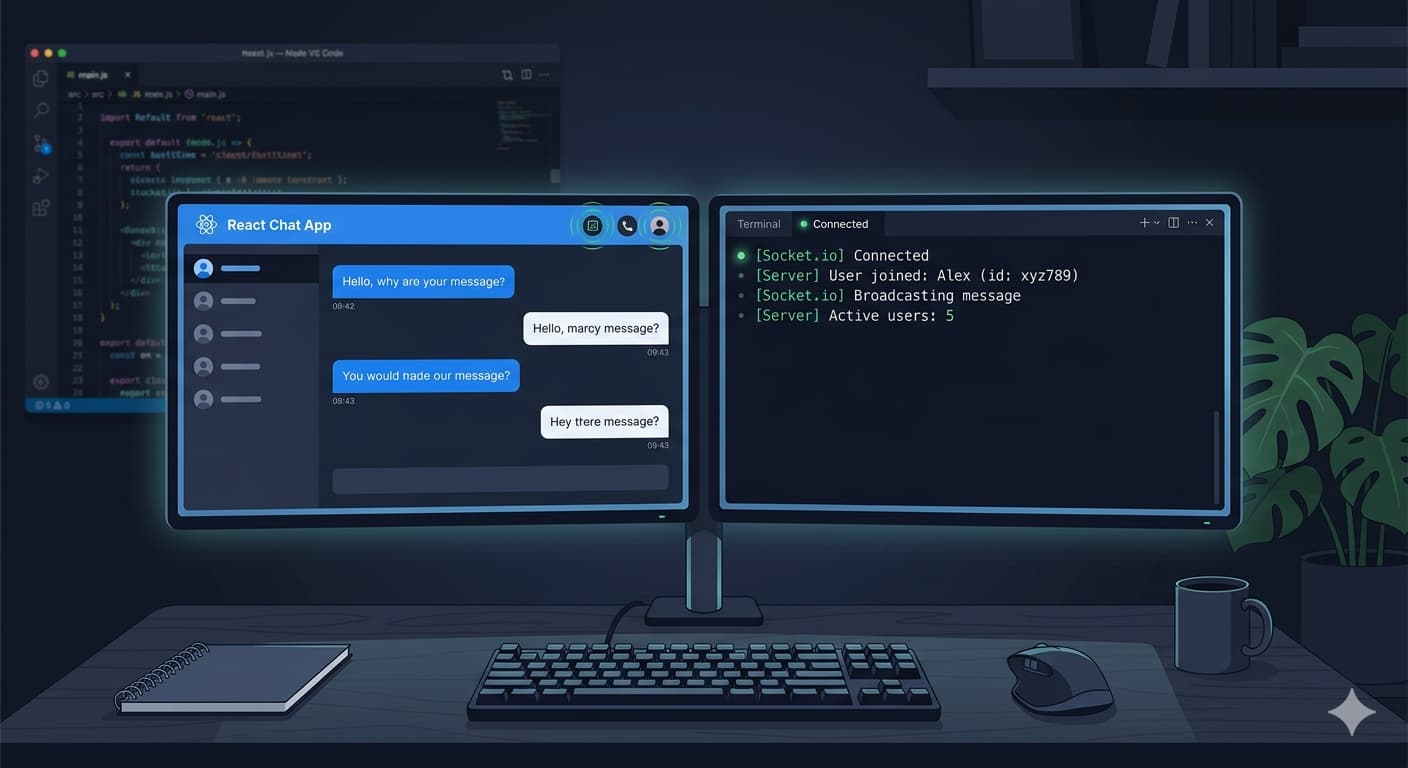
- LLM-powered features (chat, copilots, summarisation, classification, extraction)
- Multi-agent and tool-using workflows (CrewAI-style patterns when useful)
- RAG pipelines over docs, tickets, or knowledge bases
- Automation connecting the systems your team already lives in
- Python / FastAPI services beside Laravel or Node when isolation matters
- Frontend UX for AI (streaming, citations, human-in-the-loop) in Vue/React/Next/Nuxt
Full-stack context (why that matters)
I combine AI work with the stacks clients already hire me for: Laravel, Vue, React, Nuxt, Next.js, Node, TypeScript, Python/FastAPI, plus cloud (AWS/Azure) and practical DevOps (Docker, CI/CD). Fewer handoffs between “the AI person” and “the product person” means fewer demos that can’t ship.
Related pages: Laravel development, Next.js development, about.
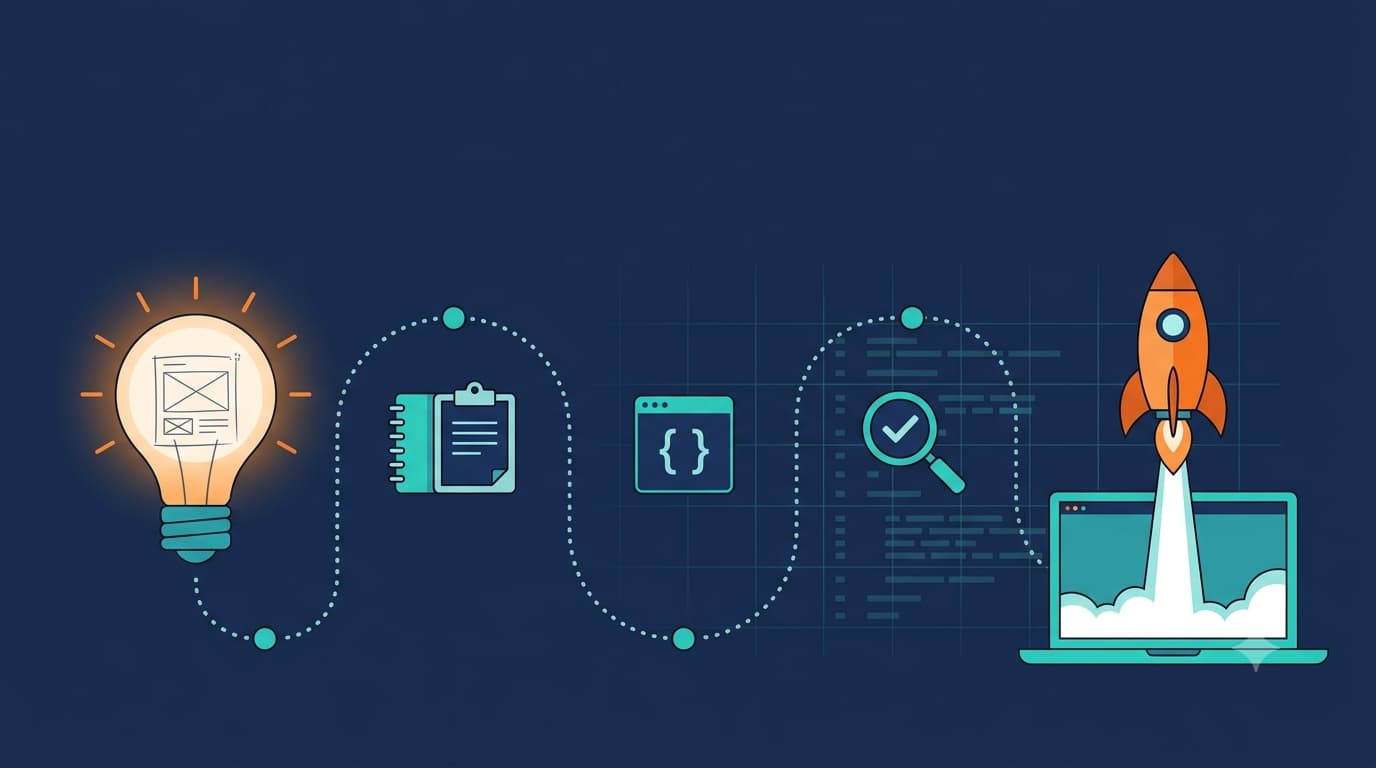
How I deliver (Research → Testing)
1. Research
Map the workflow, data sources, privacy constraints, success metrics, and model-usage budget. Kill vanity use cases early — especially “chat with everything” with no owner for answer quality.
2. Concept design
Choose architecture: in-app calls vs worker jobs vs dedicated FastAPI service; RAG vs fine-tuning vs prompt+tools; evaluation plan for “good enough.” Define human-in-the-loop where mistakes are expensive.
3. Implementation
Ship a thin vertical slice users can try — with logging, rate limits, and failure modes — then expand. Cost and latency are product features, not afterthoughts.
4. Testing
Prompt/eval checks, security awareness (prompt injection, data leakage), cost smoke tests, and UX acceptance with real stakeholders.
Checklist before you hire an AI engineer
- Job-to-be-done in one sentence
- Where the data lives (and what must never leave)
- Existing app stack (Laravel / Next / other)
- Success metric (time saved, conversion, CSAT, ticket deflection)
- Monthly model budget ceiling
- Human review required? where?
- Pilot users for week one
- Definition of done for the pilot milestone
Ready to hire a freelance AI engineer who ships? Send a brief via contact or start with the full-stack hiring guide.
Email musmannadeem92@gmail.com · WhatsApp +92 306 591 80 97 · Lahore, Pakistan
FAQ
Do you only wrap OpenAI APIs?
No. I design the product feature: retrieval, tools, permissions, UX, and ops. Model choice follows the job and constraints.
Can you work with our existing Laravel/Next app?
Yes — that’s the common path. AI as a feature, not a separate science project.
Will you train custom models?
Only when data and ROI justify it. Most products win with strong RAG, tools, and evaluation first.
How do you handle private data?
Least-privilege access, clear data boundaries, and architecture that keeps secrets and PII out of prompts/logs where possible. Details depend on your stack and compliance needs.
Fixed scope or open R&D?
Prefer a scoped pilot with success criteria. Open-ended research needs an explicit budget.
Are you available for retainers after launch?
Yes — monitoring, prompt iteration, and feature expansion via support & maintenance or a follow-on build.
How do we start?
One-sentence job-to-be-done + stack + data constraints via contact.